
When cell phones went “smart,” we jumped at the idea of carrying one device instead of several. Our rolodexes, Palm Pilots, paper planners, phones, and even to some degree, laptops have fallen by the wayside as we relish in the idea of being able to make appointments, contact people, surf the web, and social media with a single device. But somewhere along the line, the idea of smart technology jumped the shark and became…too smart.
Know Your Roots
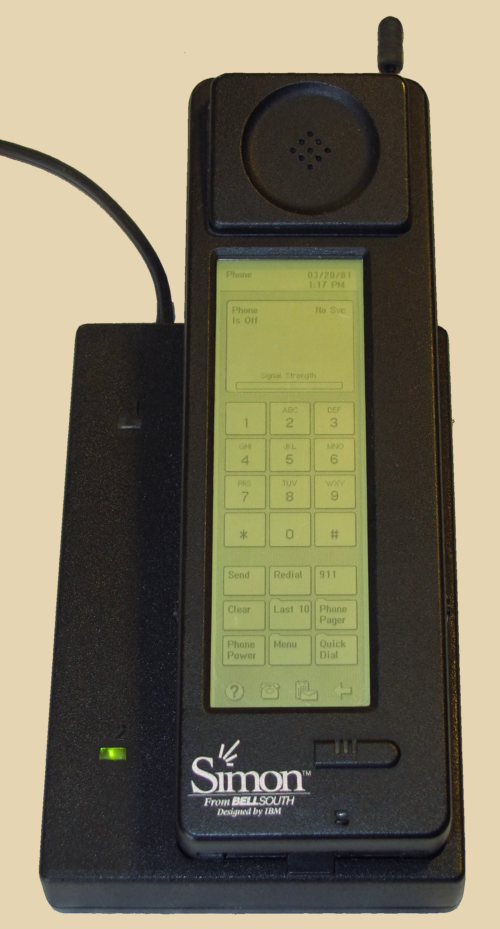
While the first smartphone was the IBM Simon Personal Communicator released in 1992, smartphones as we know it weren’t popular until the aughts and the release of the Blackberry. In 2024, smartphones brought in $1.24 billion in profits. With money like that, it’s no surprise that other manufacturers have decided to create other smart objects.
Amazon Echoes account for more than 600 million devices worldwide, with that number growing as other companies create products to connect to the devices. While Google doesn’t publish hard numbers for how many Google Nest items exist, there have been more than 500 million downloads of the Google Home app from the Google Store . There’s something bizarre, yet helpful about receiving a text message from my refrigerator warning me that the filters need changing, but that’s the connected world companies like Amazon and Google envision. While connectedness feels like a warm and friendly idea, some companies have decided that “smart” means they should have the ability to control whether or not someone can run a load of laundry.
The evolution of smart objects gave rise to the idea of renting rather than owning our software and now, our hardware. Paying a subscription fee has been normalized, first via software programs aka apps and now, everyday home items. These days, using your kitchen has a price. Refrigerator maker Frostline locked their ice maker behind a $6.99 per month subscription fee, which sounds criminal. After paying three grand for an appliance, why would anyone want to pay a monthly subscription rate to use what they already paid for? Yet the renting of software has already primed us to do just that. Car manufacturers have rolled out similar plans, charging drivers a monthly fee in order to use features such as remote unlock or cruise control, while HP renders your printer’s ink cartridges useless if you don’t pay their monthly fees.
Why Too Smart?
One of the reasons companies want you to use smart objects in your home is that they can use the connection to gather data about users.
Connect the new baby monitor to the app on your phone and a company now knows you’ve had a baby. Connect a thermostat and the company can measure energy use patterns for the household and guestimate how many people live in the home, not to mention when they’re home and when they’re away. Perhaps this is why more and more users are returning to analog and items that don’t come tied to a wi-fi connection.
Companies had the ability to use their powers for good and finally give us The Jetsons robots of our dreams but instead, we’re stuck as hostages to a $9.99 per month paywall
Sometimes technology can be too smart for its own good.
